How to Choose Base Clothing for Printing: An Expert Guide on Fabric Characteristics and Care
Creating a unique custom product with a print always begins not with the design development, but with the correct choice of the base textile. Even the most expensive, creative, and detailed print or complex embroidery will completely lose its aesthetic appeal if the base turns out to be of low quality: the fabric will quickly pill, stretch after the first wash, or lose color saturation. That is why a deep understanding of fabric characteristics is the key to a successful result.
🔍 Main Criteria for Choosing the Ideal Textile Base
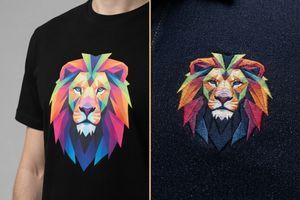
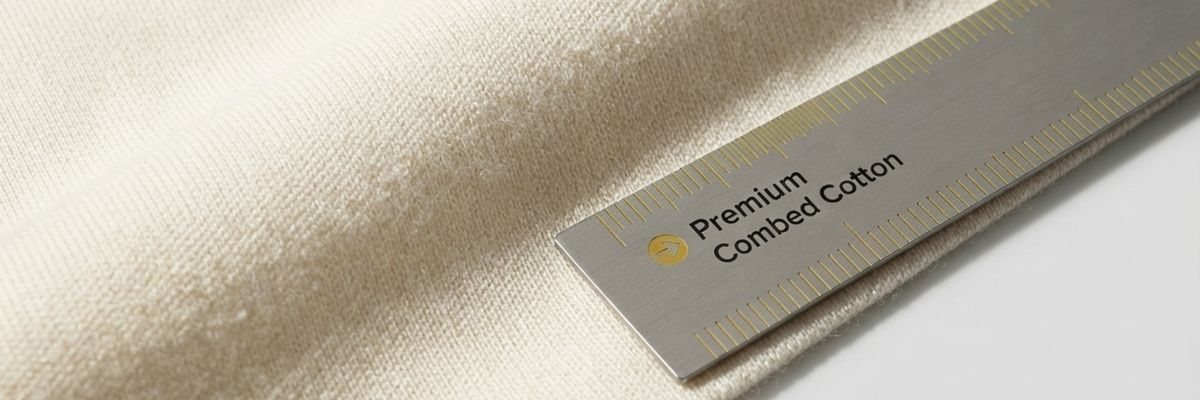
If you are planning to order a custom print or stylish machine embroidery, carefully analyze the material composition. The best choice for most tasks is high-quality combed cotton with a small addition of elastane to maintain elasticity. For creating a daily wardrobe, branded t-shirts with an optimal density of 160 to 190 g/m² are perfect, providing the ideal balance between lightness and durability.
🧵 Why are density, weave type, and composition important?
Optimal Fabric Density
Too thin, cheap items quickly become see-through, deform at the seams, and struggle to hold the shape of the print. Optimal density allows the ink or threads to securely anchor into the fibers.
Breathability and Hygiene
Natural cotton fibers allow the skin to breathe freely, ensuring maximum comfort on hot days or during active movement throughout the day.
Wear Resistance
Adding a small amount of synthetic fibers (e.g., polyester or elastane in sports series) prevents the garment from deforming during frequent washing and intensive use.
Care Instructions for Custom Clothing
To ensure your favorite pieces last for years, it is recommended to wash them on a delicate cycle at a temperature no higher than 30°C, inside out, without using harsh bleaches.